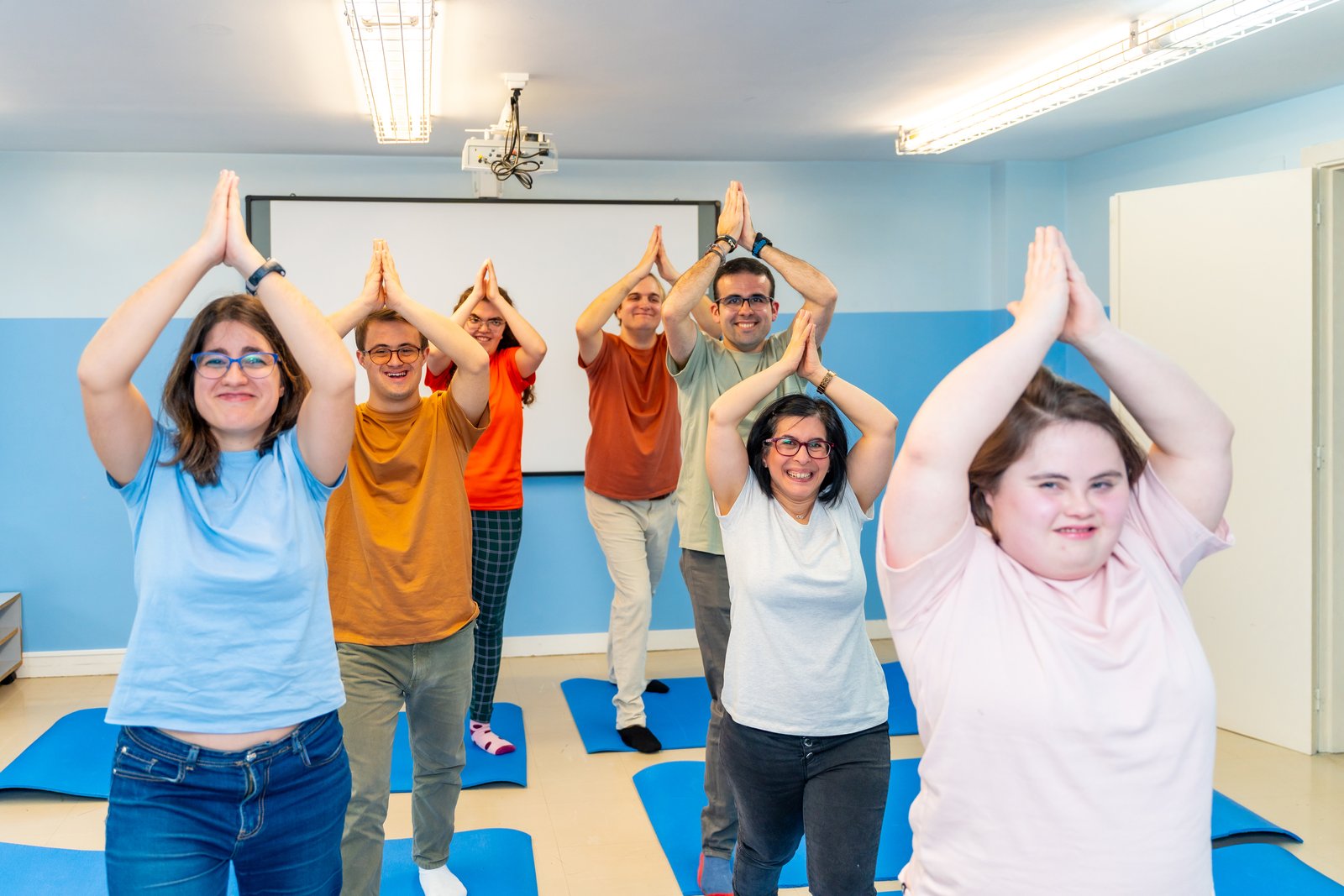
Group work remains a core practice within UK youth work and plays a significant role in early intervention and prevention. When delivered thoughtfully, group environments can foster belonging, identity and mutual support. For young people experiencing vulnerability — whether shaped by trauma, exclusion, socioeconomic hardship or involvement with safeguarding and justice systems — these spaces can be transformative or, if poorly designed, retraumatising. Effective practice, therefore, requires intentional design, skilled facilitation and an understanding of the broader systems in which young lives unfold.
Recent mapping of youth services in England has highlighted neighbourhood-level gaps in provision despite high levels of deprivation and youth need. These service “black holes” correlate with reduced access to safe spaces and preventative support for young people (The Guardian, 2026). In this climate, the quality and intentionality of group work matter more than ever.
Vulnerability among young people in the UK is rarely singular. It frequently intersects with poverty, unmet mental health needs, school exclusion and adverse childhood experiences. Public services continue to report rising emotional distress among adolescents and increasing complexity in safeguarding and youth justice cases.
UK guidance on trauma-informed practice emphasises recognising the pervasive impact of trauma on development, behaviour and relationships, and highlights the importance of safety, trust and empowerment in service design (Home Office, Trauma-Informed Practice Guidance). This perspective reframes group work not as a programme of activities but as a relational process in which psychological safety is foundational.
Many young people enter group settings with experiences of stigma or mistrust of institutions. Facilitators must therefore balance clear boundaries with warmth, cultural humility and responsiveness to lived experience.
Effective group work begins with clarity of purpose and shared expectations. The National Occupational Standards for Youth Work highlight the importance of negotiating group behaviour boundaries, valuing diversity and encouraging constructive participation while balancing individual and collective needs (UK Standards for Youth Work).
Group size and composition should reflect safeguarding considerations and intended outcomes. Smaller groups may enable deeper relational work, particularly where participants have experienced complex trauma. Co-creating group agreements around confidentiality and respect builds ownership and strengthens accountability.
Consistency in facilitation and predictable session structure helps establish stability for young people whose wider lives may feel uncertain. Blending reflective discussion with experiential learning offers multiple pathways for engagement, acknowledging that not all young people process experience verbally. Evidence on multi-agency youth work further underlines the importance of coherent collaboration across services to support holistic outcomes (Department for Digital, Culture, Media & Sport, Youth Worker Interactions Research).
Young women experiencing vulnerability require particular attention within group settings. Gendered experiences of harm — including exploitation, coercive relationships and online abuse — may be minimised within traditional service responses. Group spaces must therefore be attentive to equity, voice and safety.
Single-gender provision can create space for young women to explore identity, boundaries and confidence without replicating power dynamics experienced elsewhere. Facilitators should remain mindful of internalised narratives around worth, silence and compliance that can shape participation.
Trauma-informed frameworks emphasise empowerment, collaboration and choice, supporting young women to shape the direction of their group experience rather than passively receiving intervention (YoungMinds, Vulnerable Groups Toolkit). A strength-based approach is essential. Young women facing adversity are frequently defined by risk rather than resilience; effective group practice foregrounds agency, leadership and collective solidarity.
High-quality group work depends on organisational commitment. Facilitators require ongoing training, reflective supervision and clear safeguarding processes. Youth work standards make explicit the responsibility to manage group dynamics safely and ethically while escalating concerns appropriately (UK Standards for Youth Work).
Commissioners and system leaders should recognise that relational depth cannot be rushed. Short-term, outcomes-driven models risk undermining trust and engagement. Embedding qualitative indicators such as confidence, belonging and peer connection alongside quantitative metrics strengthens evaluation and aligns with prevention-focused policy.
Research from the Youth Endowment Fund demonstrates that youth provision, including structured group settings, can successfully reach children most vulnerable to violence — reinforcing the role of relational spaces in prevention strategies (Youth Endowment Fund).
In an increasingly complex social landscape, effective group work remains a powerful vehicle for early intervention, inclusion and resilience-building. Its success depends not on activity volume but on intentionality, cultural humility and the amplification of young people’s lived experience.
For vulnerable young people — and particularly young women whose experiences may be under-recognised — group spaces grounded in safety, equity and collaboration can foster connection, skill development and collective agency. When delivered with care and competence, group work becomes more than provision; it becomes a platform for growth and systemic change.